Most Central Florida homeowners replace their windows for one of two reasons: something finally breaks, or they get tired of a sky-high energy bill. But waiting until there's a problem costs you more in the long run, both in wasted energy and in deferred home value.
The good news is that your windows will almost always give you warnings before they fail completely. Here are the seven most reliable signs that it's time to stop patching and start replacing.
You Can Feel a Draft, Even With the Window Closed
Hold your hand near the window frame on a hot day. If you feel warm outside air sneaking in, the seal between the sash and frame has failed. In Florida, this forces your A/C to run longer to compensate, a problem that compounds every single day from May through October.
Weatherstripping can sometimes temporarily address minor drafts, but if the frame itself has warped or the seal is broken at the glass edge, no amount of caulking will fix it permanently. A full replacement is the only lasting solution.
Your Energy Bills Have Crept Up Year Over Year
If your electricity bill is higher now than it was five years ago, and your usage hasn't changed, your windows are likely a major contributor. Single-pane windows, or older double-pane units with failed gas fills, transfer heat so efficiently that your A/C unit is essentially fighting the glass all summer long.
Modern energy-efficient replacement windows with Low-E coatings and argon gas fills can cut solar heat gain by up to about 70% compared with clear single-pane glass. ENERGY STAR puts the resulting drop in household energy bills at an average of up to 13% nationwide when you're replacing single pane. What that works out to on your bill depends on how much glass you have and which way it faces, which is the kind of thing worth pricing against your actual house rather than an average one.
There Is Condensation or Fog Between the Panes
If you notice a hazy, foggy, or wet appearance between the two panes of a double-pane window, not on the surface, but inside the unit, the insulating seal has failed. The argon fill that boosts the window's insulating value has escaped and been replaced by humid outside air.
This is one sign homeowners sometimes try to ignore because the window still "works." To be straight with you: a fogged unit is not suddenly a single-pane window. Research on failed insulated glass puts the loss at up to about a third of the unit's insulating value once the argon is gone, so it still outperforms single pane. What it won't do is recover. The seal can't be resealed, the haze is permanent and gets worse, and the etching that builds up between the panes eventually clouds the view for good. It's a decline you get to schedule rather than an emergency.
The Frames Are Soft, Warped, or Visibly Deteriorating
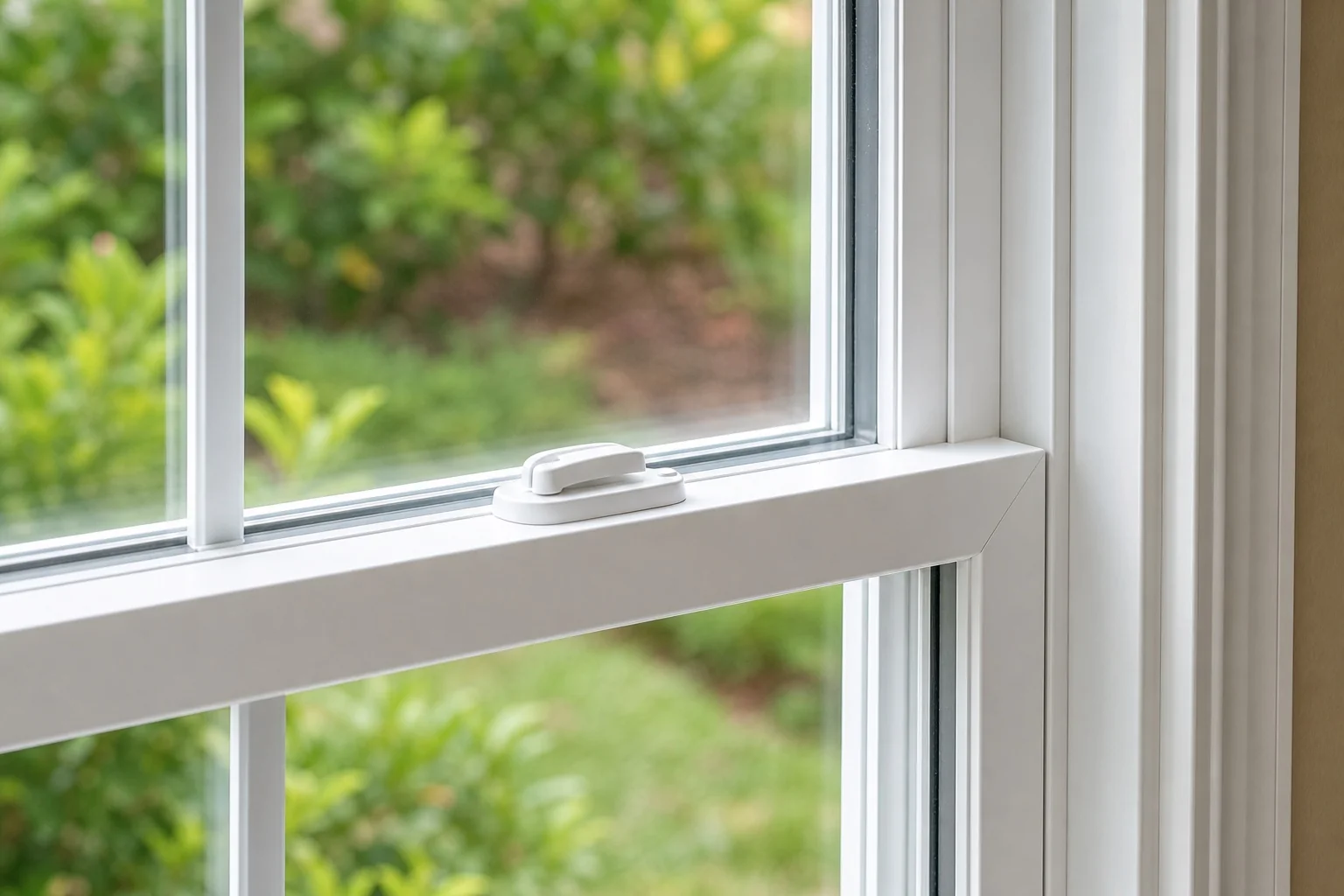
Wood frames are particularly vulnerable in Florida's climate. Moisture from humidity, rain, and condensation eventually works into the wood, causing rot, swelling, and warping. Once the frame is compromised, the window can't seal properly, and the structural integrity of the rough opening is at risk.
Vinyl frames are far more resistant to moisture, but they can still warp over time when repeatedly exposed to extreme heat. If you notice bowing, cracking, or any soft spots when you press on the frame, the window needs to come out. Modern vinyl replacement windows are engineered to handle Florida temperatures without warping or degrading.
The Window Is Difficult or Impossible to Open, Close, or Lock
A window that won't open easily is more than an inconvenience, it's a safety hazard. Florida's code requires an emergency escape and rescue opening in every sleeping room specifically, so a bedroom window that's painted shut or seized up is the one to take seriously. A window that won't lock is also a security vulnerability.
Sticking or binding is usually caused by a warped frame, a broken balance system (on single and double-hung styles), or hardware that has simply worn out. In older windows, these components are often no longer available as replacement parts, making full window replacement the only practical fix.
One thing worth knowing if you're replacing rather than building: a replacement window is generally exempt from meeting current egress sizing, provided it's the manufacturer's largest standard size that fits the existing opening and matches the operating style, or opens wider. So a bedroom window that's technically undersized by today's rules usually isn't a barrier to replacing it. Ask your installer to confirm how your jurisdiction handles it.
Outside Noise Is Noticeably Loud Inside Your Home
If you can clearly hear traffic, your neighbors, or lawn equipment from inside a closed room, your windows are providing very little acoustic insulation. This is especially common with older single-pane windows or double-pane units with failed seals.
Modern replacement windows with double or triple pane glass and laminated options can reduce outside noise by a significant margin. Homeowners who live near busy roads, flight paths, or in densely built neighborhoods often report this as one of the most noticeable quality-of-life improvements after a window replacement.
Your Windows Are More Than 20 Years Old
Even well-maintained windows have a functional lifespan. Quality vinyl replacement windows generally last 20 to 40 years, though Florida sits at the demanding end of that range: constant heat, humidity, and UV wear on seals and hardware faster than a milder climate does. Past the two-decade mark, seals start to degrade, hardware wears, and the frame takes on repeated thermal expansion and contraction cycles.
If your windows were installed in the early 2000s or before, they predate many of the biggest advancements in window technology, including modern Low-E glass coatings, improved argon gas retention, and multi-point locking systems. Today's windows are simply better than what was available 20 years ago, and the performance gap is wide.
What to Do Next
If two or more of these signs apply to your home, the math almost always favors replacement over repair. A professional in-home estimate costs nothing and gives you a firm price, not a ballpark, for your specific openings.
At Colonial Window & Door, we've been replacing windows across Central Florida since 1996. Tom does every in-home consultation personally, no salespeople, no pressure, no surprises on the final invoice. Tom works with the same trusted installation crew he's relied on for years, personally overseeing every job.
Window types that work especially well for Florida's climate include double-hung windows (easy to clean from inside), casement windows (excellent seal when closed), and single-hung windows (reliable and budget-friendly). We carry Simonton and PlyGem product lines, both rated for Florida's heat and humidity.
Not Sure If Your Windows Need Replacing?
Tom will come to your home, inspect every window, and give you a straight answer, replacement only when it makes sense.
Schedule My Free Estimate