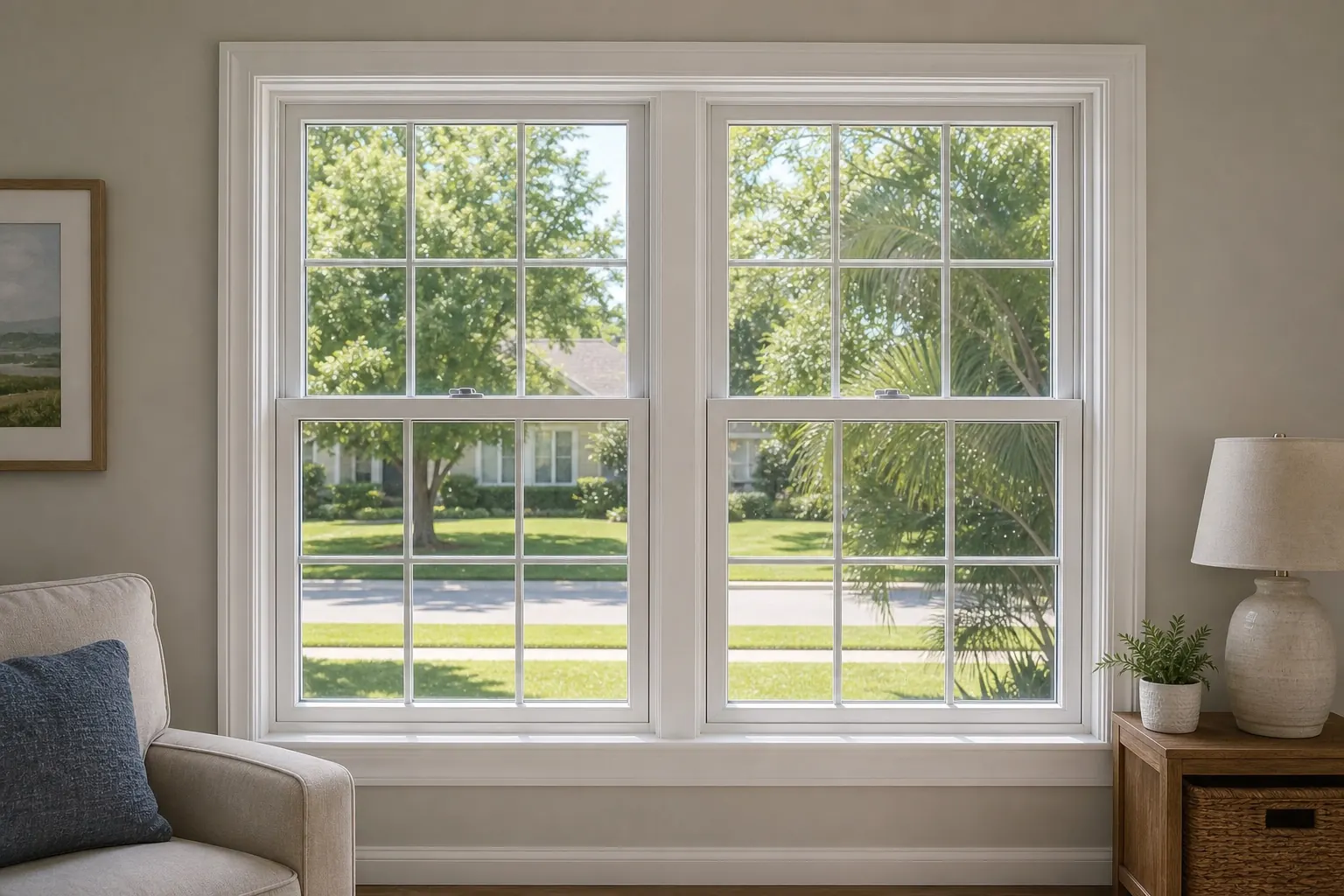
Florida households lean on electricity harder than almost anywhere else: according to the U.S. Energy Information Administration, the residential sector accounts for roughly 54% of all electricity used in the state, the largest residential share in the country. Cooling a home through an eight-month summer is expensive. What most homeowners don't realize is that their windows are often doing as much harm as an aging A/C unit.
Old or low-quality windows don't just leak air. They allow solar radiation to pass directly through the glass, heating your interior as effectively as a space heater. Modern replacement windows are engineered specifically to combat this, and the savings are real.
Why Florida Windows Work Harder Than Anywhere Else
In most of the country, windows are primarily a cold-weather insulation problem. In Florida, the challenge is almost entirely about solar heat gain and humidity infiltration, two forces that work against you all year but peak from May through October.
Clear single-pane glass lets roughly three quarters of the sun's heat straight through, which is close to no defense at all. Older double-pane windows help. If the argon fill has leaked out, they lose part of that advantage, though they still insulate meaningfully better than a single sheet. The bigger limitation is that an older double-pane unit, sealed or not, usually lacks the Low-E coating that does the real work in a hot climate.
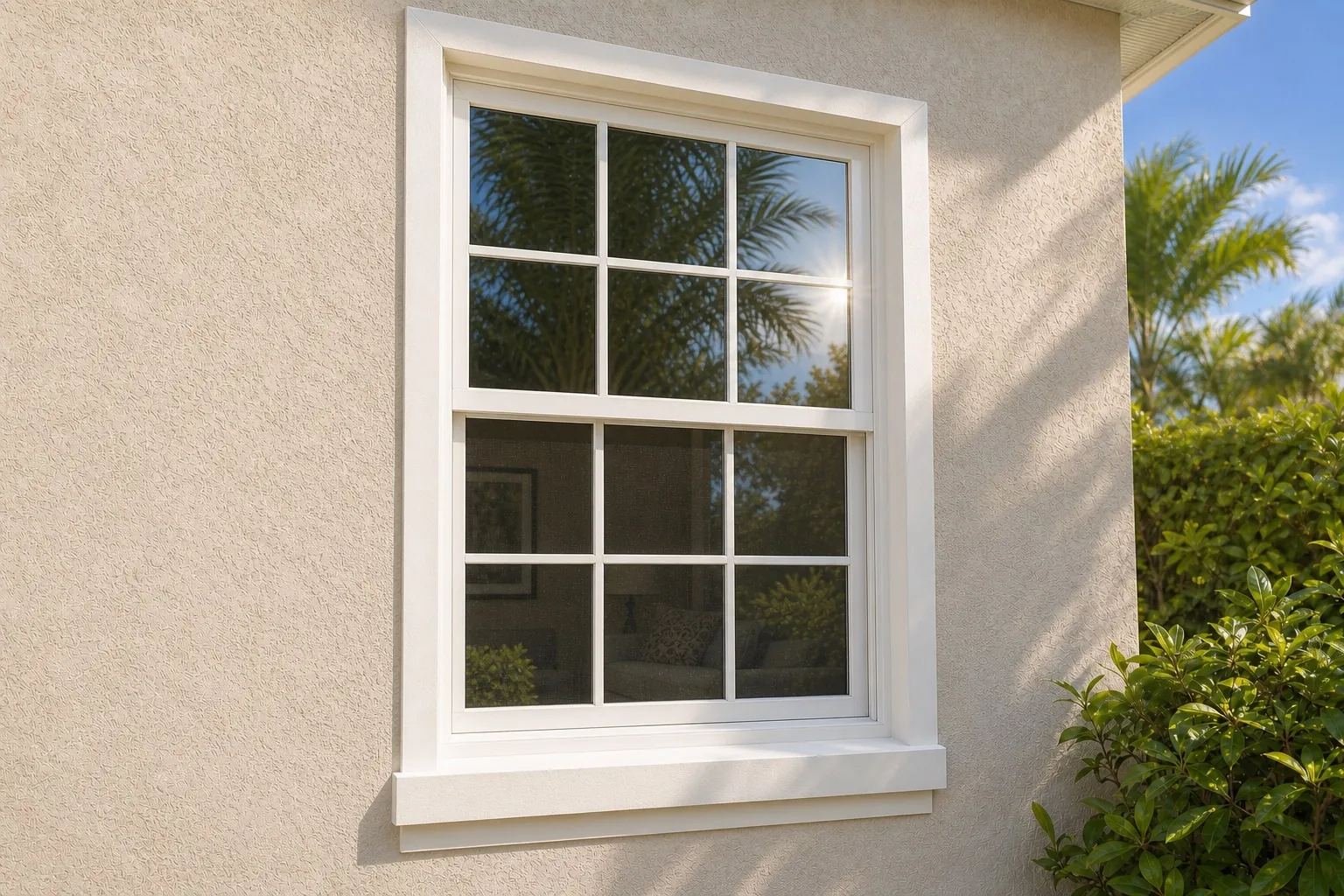
The Technologies That Make Modern Windows More Efficient
Low-Emissivity (Low-E) Glass Coatings
A microscopic metallic coating applied to the glass surface reflects infrared radiation, the wavelength responsible for heat transfer, while still allowing visible light to pass through. For Florida, you want a coating with a low Solar Heat Gain Coefficient (SHGC), which specifically blocks the solar energy that drives up cooling costs. Simonton's windows, which we install throughout Central Florida, offer multiple Low-E configurations tuned for southern climates.
Argon Gas Fill
The space between the two panes of a double-pane window is filled with argon gas, an inert gas that is denser than air and conducts heat far more slowly. This dramatically reduces the transfer of heat from the outside glass surface to the inside surface. In Florida's climate, argon fill combined with Low-E glass is standard on any window worth buying.
Insulated Vinyl Frames
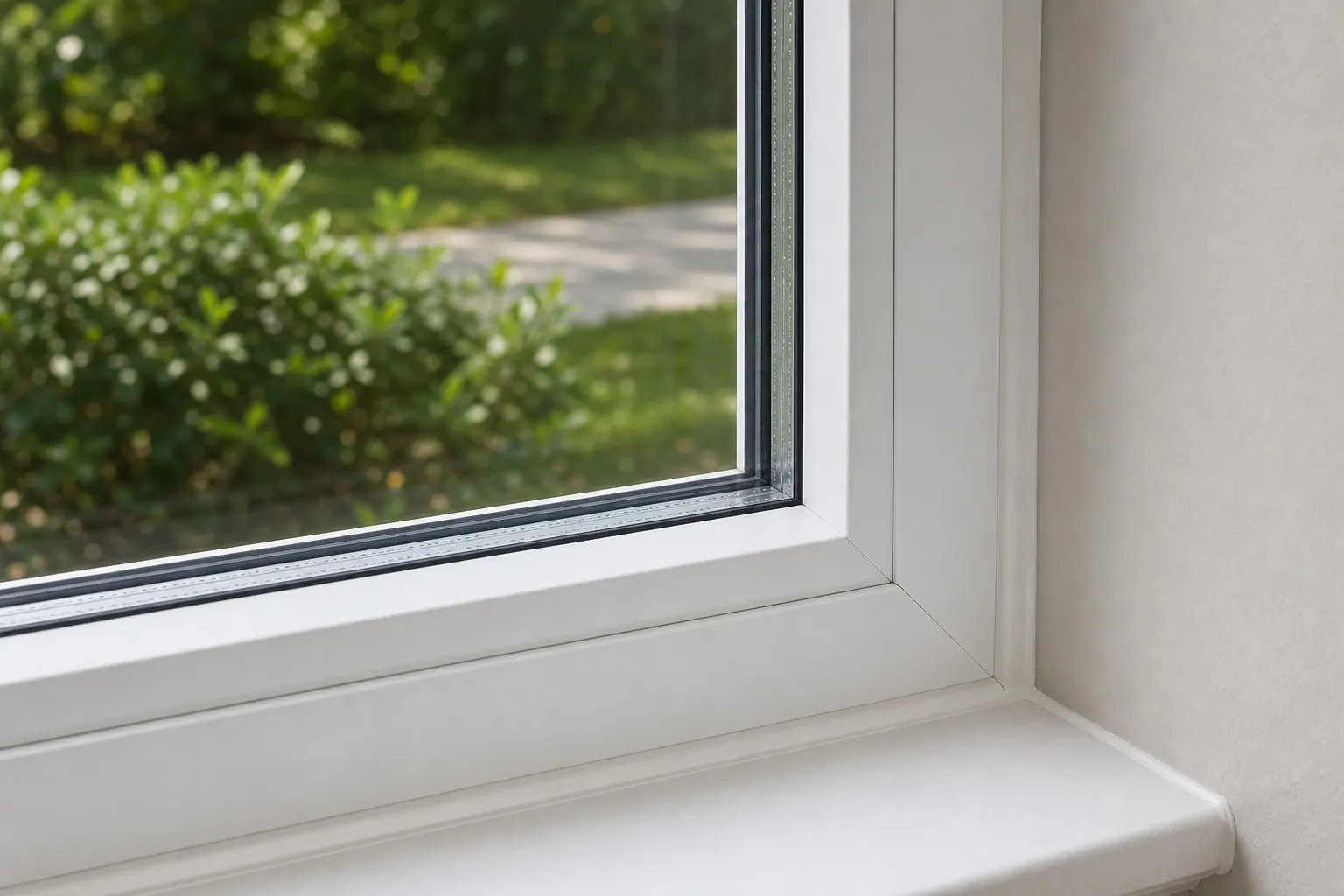
Aluminum frames, common in Florida homes built before 2000, are highly conductive. Heat transfers through the frame as readily as through uncoated glass. Modern vinyl frames include hollow chambers that trap air and break the thermal pathway. The result is a frame that doesn't transmit heat nearly as efficiently, reducing condensation and heat gain at the perimeter of every window.
Tight Installation, No Air Gaps
The window itself can be perfectly engineered, but a poor installation that leaves gaps around the frame will nullify most of the efficiency benefit. Air infiltration around the perimeter is one of the largest contributors to energy loss in existing homes. Professional installation with proper flashing, insulation, and sealant is not optional, it's how you actually capture the savings on your bill.
What to Look for When Buying Windows in Florida
When evaluating windows for a Florida home, three numbers matter most:
- U-Factor: Measures the rate of heat transfer through the window. Lower is better. To carry the ENERGY STAR label in Florida a window has to hit 0.32 or below.
- Solar Heat Gain Coefficient (SHGC): Measures how much solar radiation enters as heat. In Florida this is the number that matters most, and lower is better. The ENERGY STAR threshold here is 0.23 or below, and it's worth going lower still on south- and west-facing openings.
- Visible Transmittance (VT): Measures how much natural light comes through. Higher is better if you want a bright interior without added solar heat gain.
Those two figures are the current ENERGY STAR criteria (Version 7.0, in effect since October 2023) for the Southern climate zone, which covers all of Florida. Note that they tightened from the previous 0.40 and 0.25, so a window advertised as "Energy Star rated" against the older numbers no longer qualifies. Ask which version the rating refers to, and check the label rather than the brochure.
How Much Can You Actually Save?
The honest answer is that it depends on your current windows, your home's orientation, how much glass faces west, and how you run your thermostat. The one figure worth anchoring to comes from ENERGY STAR: replacing single-pane windows with certified units lowers household energy bills by an average of up to 13% nationwide. Florida homes sit at the favorable end of that, because nearly all of the benefit here is cooling and our cooling season runs most of the year.
You'll notice we don't publish a dollar figure. We could multiply that percentage against an average power bill and print a number, but it would be a number about an average house, not yours, and the honest range is wide enough that it wouldn't tell you anything useful. Bring us a recent bill during the estimate and we'll talk through what's realistic for your actual openings.
Replacing failed double-pane windows, ones where the argon seal has broken down, is a smaller step than going from single pane, since a fogged unit still insulates better than one sheet of glass. The gain is real but more modest, and the quality-of-life improvement (less A/C noise, more even temperatures room to room, and a view that isn't hazy) is usually what homeowners mention first.
See What Replacement Windows Would Save in Your Home
Tom will assess your current windows, explain your options, and give you a firm price, no surprises.
Schedule a Free EstimateThe Right Window Types for Florida Efficiency
Window style also affects efficiency. Casement windows compress tightly against their frame when closed, creating one of the best air seals of any operable window type. Double-hung windows offer excellent ventilation control and clean from inside, important for maintaining screens and seals in Florida's humid environment. Picture windows are fixed and provide the tightest possible seal since there are no moving parts.
For high-traffic areas like patios and back yards, sliding glass doors with the same Low-E and argon gas specifications as your windows will keep the performance of your envelope consistent rather than creating a weak spot in your insulation.
No matter which style makes sense for your home, the technology inside the glass is what drives the energy performance. Ask your installer to show you the NFRC label, every certified window is required to display its actual performance ratings. If they can't show you the label, that's a red flag.