The Short Version
- Only the bottom sash opens on a single hung. Both sashes open on a double hung, and both tilt inward for cleaning.
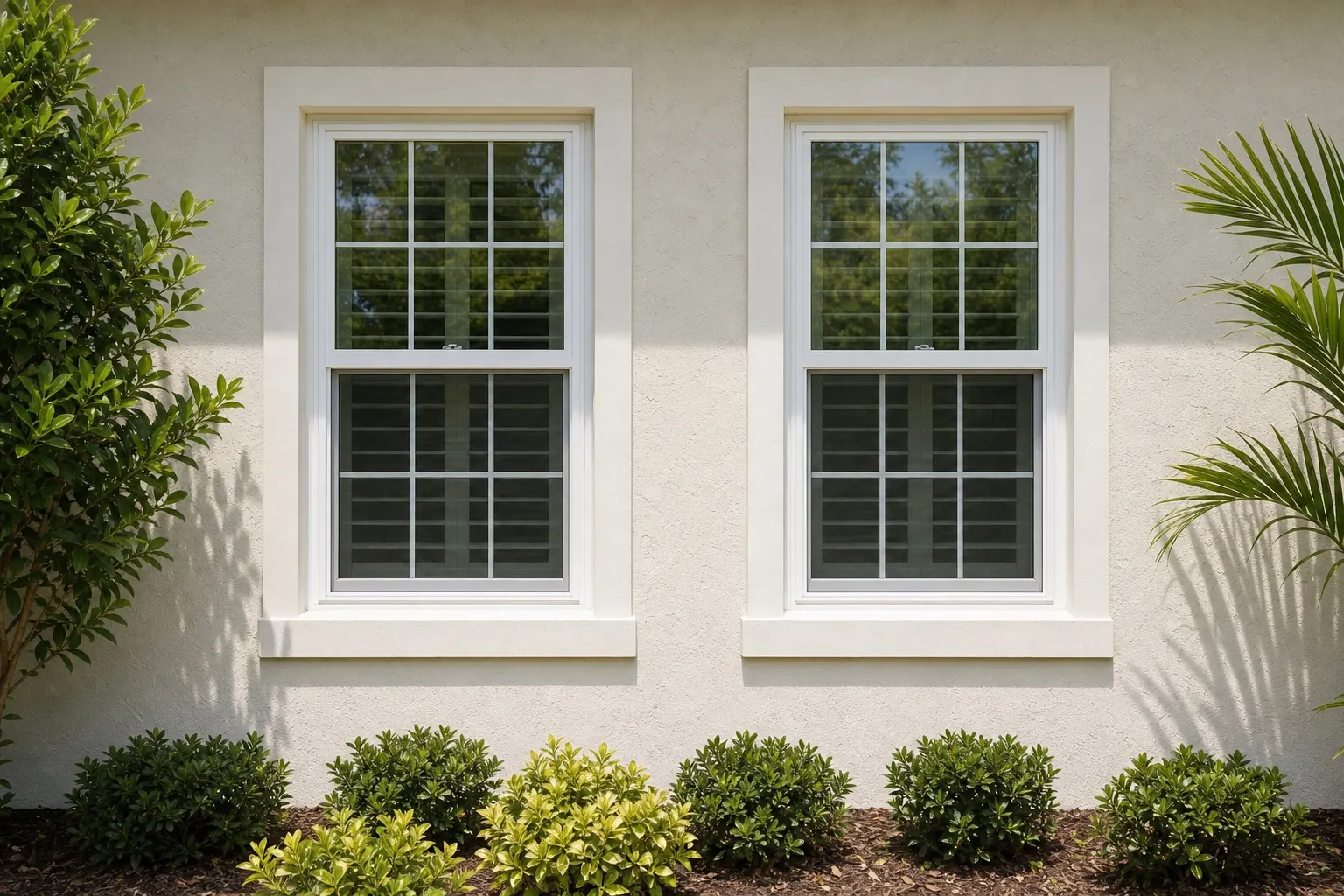
- They look the same from the street. Closed, the two styles are nearly indistinguishable, which means you can mix them without it showing.
- Single hung costs less because there is less hardware inside it. The gap is widest on basic windows and narrows on large or impact rated units.
- Neither style is inherently stronger in a storm. What matters is the design pressure rating of the specific window, not the style name.
- Floor level is the deciding factor for most homeowners. Upstairs, tilt-in cleaning on both sashes is worth the difference. Downstairs, it often isn't.
When homeowners start comparing window options, single hung and double hung windows come up almost immediately, and for good reason. They're the two most common window styles in Central Florida homes, and from the outside they look practically identical. The difference is in how they operate, and that difference matters more than most people expect.
Here's a straightforward breakdown of how each type works, what actually drives the price difference, how the choice interacts with Florida's storm requirements, and where each one makes the most sense room by room.
How Each Window Works
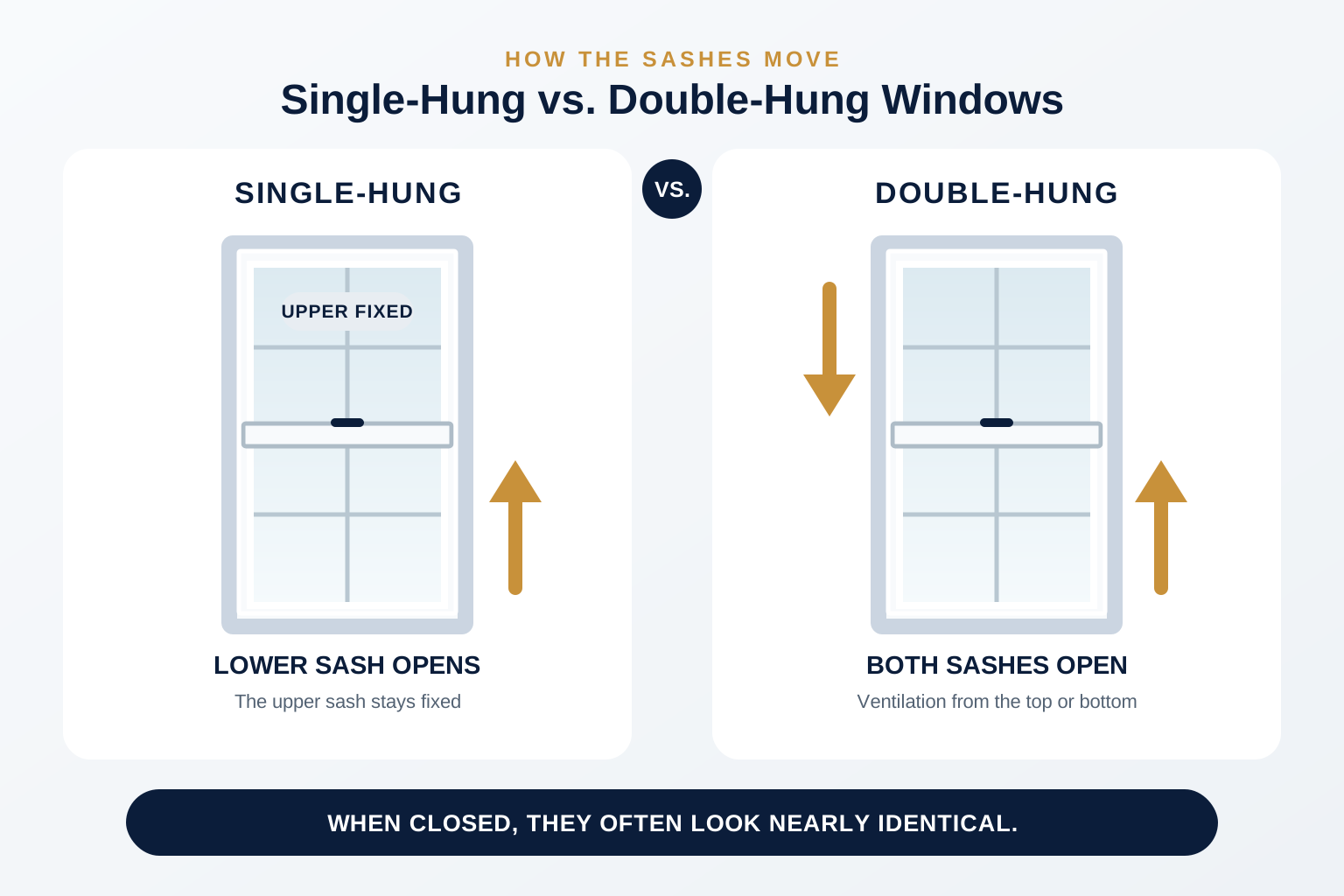
A single hung window has two sashes, an upper pane and a lower pane, but only the bottom sash moves. You slide it up to open the window, and the top pane stays fixed in place.
A double hung window has two sashes that both move. You can slide the bottom up, slide the top down, or use both together to create airflow at two levels simultaneously. Most double hung windows also tilt inward, which makes cleaning the exterior glass easy from inside the room.
Side-by-Side Comparison
| Feature | Single Hung | Double Hung |
|---|---|---|
| Which sashes open | Bottom only | Top and bottom |
| Tilt-in for cleaning | Bottom sash only (top is fixed) | Both sashes tilt in |
| Ventilation control | One opening, bottom only | Two openings, top and bottom |
| Cost | Less, per window | More, though the gap is modest |
| Best for upper floors | Less ideal (cleaning harder) | Yes, tilt-in makes it practical |
| Moving parts | Fewer (simpler mechanism) | More (but still very reliable) |
| Safety with small children | Bottom opening only | Can vent from the top, out of reach |
| Appearance when closed | Essentially identical | |
What Actually Drives the Price Difference
Single hung windows cost less, and it's worth understanding why, because it tells you when the savings are meaningful and when they aren't.
The price gap comes down to what's inside the frame. A double hung needs a balance system for the upper sash as well as the lower one, additional weatherstripping where the top sash meets the frame, and tilt hardware on both sashes instead of one. That's more parts, more assembly, and more that has to seal correctly.
Two things follow from that:
- The gap is proportionally largest on basic windows. On a standard-sized window with a standard glass package, hardware is a meaningful share of the total, so removing half of it is noticeable on the invoice.
- The gap narrows on large or impact rated windows. Once you're paying for laminated impact glass and a heavier reinforced frame, the glass and frame dominate the price. The hardware difference becomes a smaller slice of a bigger number.
The practical takeaway: if you're replacing a whole house of ordinary windows and watching the budget closely, choosing single hung in the right rooms adds up. If you're buying impact rated windows, the upgrade to double hung is a smaller premium than most people assume, and often worth taking.
What Matters Most in Florida
In most of the country, the ventilation difference between single and double hung is the main consideration. In Florida, a few additional factors come into play.
Cleaning accessibility
If the window is on a second floor or anywhere you can't easily reach from outside, tilt-in cleaning makes a meaningful difference. Double hung windows give you full access to both panes from inside. Single hung windows leave the fixed top pane accessible only from outside, which in Florida's humidity and pollen environment means it will stay dirtier longer unless you specifically plan for it.
Ventilation strategy
Florida evenings, particularly from October through April, are genuinely pleasant. Homeowners who like to cross-ventilate their home in the cooler months find double hung windows useful: opening the top of one window and the bottom of another on the opposite side of a room creates a stack-effect airflow that moves air efficiently without a fan. It's a minor point, but it's one of those things people appreciate once they have it.
Venting without an open window at floor level
Being able to open only the top sash is genuinely useful in a few situations: a child's bedroom, a ground-floor room where an open lower sash is a security concern, or a rainy afternoon when you want air without water coming in over the sill. Single hung windows can't do this at all.
Storm Ratings: The Part That Actually Matters
This is where a lot of Florida homeowners get steered wrong, so it's worth being direct about it.
Neither style is inherently stronger in a storm. A window's ability to hold up is determined by its design pressure rating, its glass, and its installation, not by whether the top sash happens to move. Both single hung and double hung windows are available in impact rated versions that meet Florida's wind-borne debris requirements.
What you should be asking about instead:
- The design pressure (DP) rating for the specific window in the specific opening. Larger openings and more exposed elevations need higher ratings.
- The Florida Product Approval or Notice of Acceptance number for the product being installed. Every approved window has one, and a straight answer here is a good sign.
- Whether you're getting impact glass or a shutter system. These are two different approaches to the same code requirement, with very different day-to-day experiences.
- How the window is anchored to the opening. A well-rated window installed poorly is a poorly performing window.
If a salesperson tells you one of these two styles is "the hurricane one," that's a signal to ask more questions. The honest answer is that both can be rated, both can be unrated, and the paperwork tells you which is which.
Not Sure Which Type Is Right for Your Home?
Tom will walk you through your options in person, no pressure, no obligation.
Schedule a Free EstimateWindow Size and the Shape of the Opening
The size of your opening quietly influences this decision more than most homeowners realize.
On a tall window, a double hung's upper sash can sit high enough that reaching up to pull it down, or to tilt it in for cleaning, gets awkward. The feature you paid for becomes one you don't use. It's worth standing in the room and physically reaching toward the top of the window before deciding.
On a short, wide opening, neither hung style may be the best answer. Because a hung window only ever opens half its height, a wide-but-short window gives you a small ventilation opening. A horizontal slider often makes better use of that shape.
On very large openings, single hung is sometimes the more available option in a given product line at a given rating, simply because there's less hardware to engineer around the added weight of bigger glass. If you have oversized openings, it's worth asking what's actually available in the size and rating you need before settling on a style.
Which Rooms Suit Which Style
Rather than picking one style for the whole house, most homeowners get better value matching the style to the room. Since the two look the same from outside, mixing them costs you nothing visually.
| Room or location | Usually a better fit | Why |
|---|---|---|
| Second-floor bedrooms | Double hung | No safe way to clean the outside otherwise |
| Children's bedrooms | Double hung | Top-sash venting keeps the opening out of reach |
| Ground-floor living areas | Either | Easy exterior access makes cleaning a non-issue |
| Bathrooms | Double hung | Top venting clears humidity while keeping privacy |
| Over a kitchen sink or counter | Consider a casement | Cranks open without leaning across the counter |
| Garage, laundry, utility rooms | Single hung | Fewer parts, lower cost, cleaning access is easy |
| Rentals and secondary properties | Single hung | Simpler mechanism, lower replacement cost |
When Single Hung Makes Sense
Single hung windows aren't an inferior product, they're simply a different tool. They work well in situations where:
- The windows are on the ground floor and exterior cleaning access is easy
- You're replacing windows in a rental property or lower-priority room and prefer a lower cost
- The architectural character of the home calls for a traditional look and feel
- The space has high humidity (like a laundry room or utility area) and you want fewer mechanical parts that could wear
- You're stretching a fixed budget across a whole-house replacement and want to put the savings toward better glass
When Double Hung Makes Sense
Double hung windows are the right choice for most Central Florida homes in most rooms. They're especially worth the modest price difference when:
- The window is on an upper floor or anywhere cleaning from outside is inconvenient
- You want maximum ventilation flexibility, particularly useful in bedrooms
- Small children make a top-only opening genuinely useful
- You're replacing every window in the house and want consistent functionality throughout
- The home is in a neighborhood where resale value matters and buyers expect the more functional option
Does the Choice Affect Energy Efficiency?
Not in any meaningful way. Both single and double hung windows are available with the same Low-E glass, argon gas fill, and insulated vinyl frames. The energy performance comes from the glass package and installation quality, not from whether the top sash moves.
There is a theoretical argument that a single hung seals slightly better, since it has one less moving sash. In practice, with a quality modern window installed correctly, the difference is small enough that no homeowner is going to see it on a power bill. If you're replacing windows for energy savings, focus on the glass specifications and on who is doing the installation. Those two things dwarf the style choice. We go deeper on this in our guide to how new windows lower your Florida energy bill.
Common Questions
Can you tell a single hung and double hung window apart from outside?
Usually not. When both windows are closed they look nearly identical from the curb, with the same frame profile, the same sash line across the middle, and the same grid patterns available. The difference is entirely in how they operate.
Are double hung windows worth the extra cost?
For most homeowners, yes, especially on upper floors. The price difference per window is modest, and the tilt-in cleaning of both sashes is the feature people say they notice most after installation. On ground-floor windows you can easily reach from outside, the case is weaker and single hung is a reasonable way to control budget.
Which is better for hurricane protection?
Neither style is inherently safer. What matters is the design pressure rating and impact rating of the specific window you buy, not whether the top sash moves. Both styles are available impact rated. Ask for the design pressure rating and the Florida Product Approval number for your actual openings.
Do double hung windows leak more air?
A double hung has one more moving sash to seal, so in theory there is more opportunity for air infiltration. In practice, with a quality modern window and a proper installation, the difference is small enough that most homeowners will never notice it. Installation quality affects air leakage far more than the choice between the two styles.
Can I mix both styles in the same house?
Yes, and it's a common way to spend your budget where it matters. Because the two styles look the same from the street, you can use double hung upstairs and in bedrooms where cleaning access and ventilation matter most, and single hung on easily reached ground-floor or utility windows, with no visible inconsistency.
What We See Most Often
In our experience installing windows throughout Central Florida since 1996, the majority of homeowners replacing their full window set choose double hung, primarily for the tilt-in cleaning feature. Single hung windows show up most often in specific situations: ground-floor windows in older homes where matching the existing style matters, or utility spaces where simplicity is the priority.
The most common approach we'd actually recommend, though, is the mixed one. Put double hung where the cleaning and ventilation genuinely help, upstairs and in bedrooms, and single hung where they don't. Nobody driving past your house will ever know the difference, and the money saved is better spent on a stronger glass package.
Both are reliable, energy-efficient options when you're buying quality product and having it installed correctly. The right answer usually comes down to which floor it's on, how you plan to clean it, and how much ventilation flexibility you actually want.
If you're not sure, that's exactly the kind of thing Tom walks through during an in-home estimate, room by room, based on what makes sense for your specific house. You can compare the two product lines directly on our single hung and double hung pages.